Craft and Patience: The Art of Koji Making
In every bottle of Hachidori, there is a quiet story of time, care, and transformation. At the heart of that story lies koji, which breaks down the starches in rice, turning them to sugar, ready for fermentation into Sake. It is the essence of Sake.
Making koji is not just a technical step in brewing. It is an act of patience, intuition, and discipline, refined over centuries. It requires Hachidori’s Master of Sake, Stuart Morris and his koji maker to work closely with nature, guiding steamed rice as it becomes something more—something alive.
The Beginning: A Simple Grain
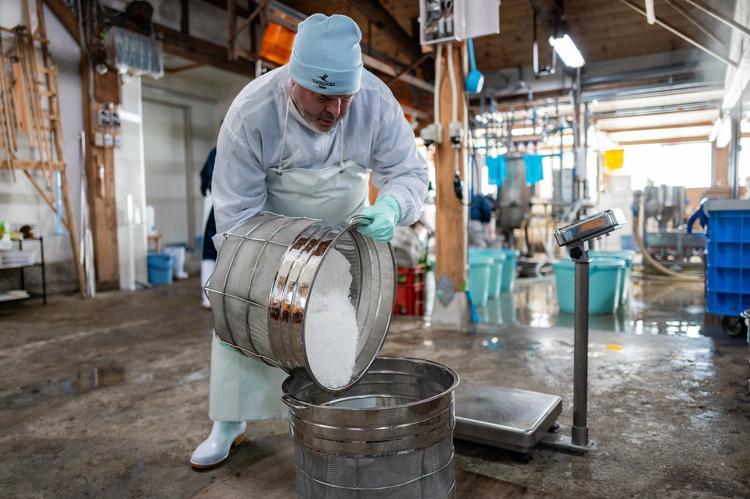
The process starts humbly. Polished rice is steamed to just the right texture, each grain separate but tender. Too firm, and the spores cannot grow; too soft, and the structure collapses. Here, balance is everything.
The Transformation: Breathing Life into Rice
Once cooled, the rice is dusted with koji-kin–a special mold. From that moment, the room must be carefully controlled: temperature, humidity, and airflow all become vital. For the next two days, the rice is tended almost constantly.
The koji maker enters the room with quiet discipline, stirring the rice by hand, ensuring warmth spreads evenly. The rice begins to change—becoming fragrant, sweet, almost chestnut-like. This is when the magic of transformation takes hold.
Stuart’s Insight: Patience in Practice
For Stuart Morris, Hachidori’s Sake Master, the koji room at the historic Shindo Brewery where he crafts our Sake embodies the discipline that has defined his 25-year journey to this point. Told early on that it was impossible for an American to master Japanese Sake brewing, he almost believed it—until years of study, apprenticeships, and humility proved otherwise.
“When they told me it was impossible for an American to be a Master of Japanese Sake, I almost believed them,” Stuart recalls. His persistence to keep going, even when the odds seemed stacked against him, is the same quiet persistence required in the koji room. Each grain of rice must be tended with patience, each step respected without shortcuts.
His story is a reminder that just as koji transforms rice into the foundation of Hachidori Sake, patience and resilience can transform doubt into mastery.
The Heart of Flavor
Koji is what unlocks Hachidori’s depth. By breaking down starches into sugars, it creates the foundation for fermentation. The character of the koji determines the character of the bottling Stuart intends to make—bright, rich, or elegant.
It is why, at Hachidori, Stuart and the brewers of Shindo Brewery, Yamagata dedicate themselves fully to this step. To them, koji is not just an ingredient—it is the heartbeat.
Craft Meets the Table
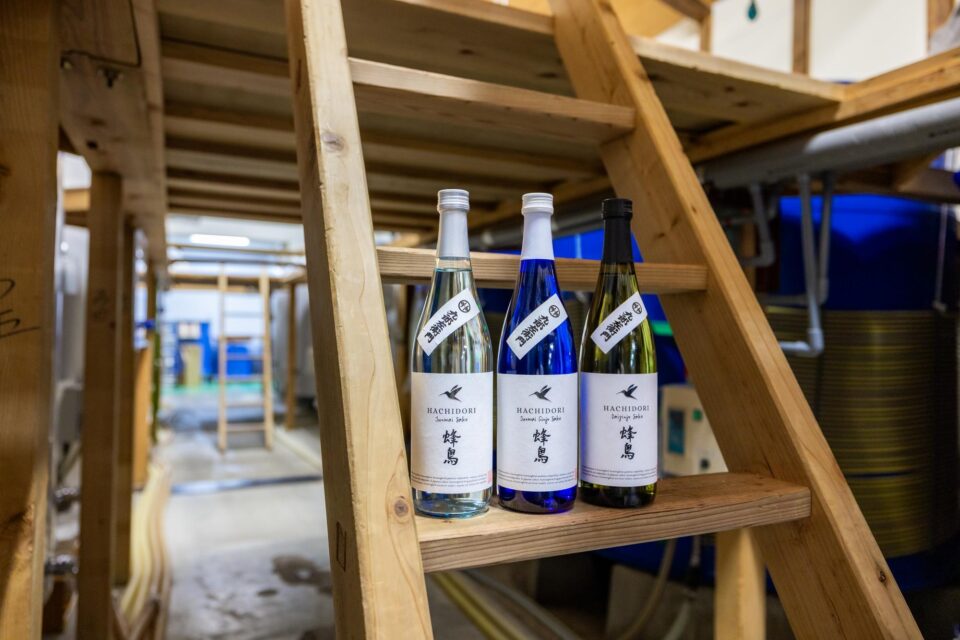
The patience of koji making comes to life in the glass. Whether in the bright clean lines of Hachidori Junmai, the layered depth of Hachidori Junmai Ginjo, or the graceful elegance of Hachidori Daiginjo, each expression carries with it the quiet discipline of this ancient craft.
Paired with food, koji’s gift to the three Hachidori bottlings becomes clear. It deepens umami, elevates spice, and refreshes the palate. Selecting the perfect sip of Sake alongside seared scallops, miso-marinated vegetables, or even a slow-braised short rib reveals how centuries of tradition meet the modern table.
A Final Reflection
Hachidori’s meaning—the hummingbird—hovers impossibly in stillness yet moves with precision. Koji making is much the same: a practice of balance, patience, and quiet mastery.
When you taste a Hachidori Sake, you are tasting more than rice and water. You are tasting time itself, guided by the patient hands of Stuart and his almost impossible journey to making some of the finest Japanese Sakes.