The First Breath of Sake: Washing and Steaming the Rice
Before there is aroma.
Before there is fermentation.
Before yeast, koji, or quiet transformation—
there is water, rice, and heat.
At Hachidori Sake, we often say that Sake begins long before the first bubble rises. It begins with touch. With the humble, deliberate act of preparing rice.
Today, we share the first steps of brewing: washing the rice and steaming it. Simple actions, but within them lies the foundation of everything that follows.
Washing the Rice
Every Sake begins with how much of the rice grain remains.
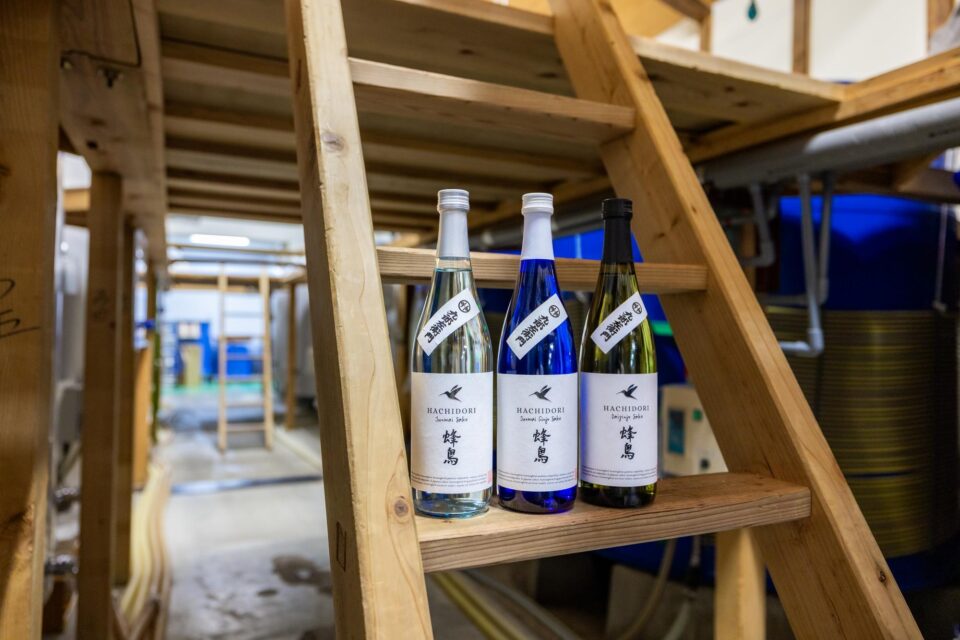
Sake rice is polished to remove its outer layers—proteins, fats, and minerals that can create heavier, rustic flavors—revealing the pure starch core that will one day become sugar, and then Sake. At Hachidori, each expression is milled with intention: our Junmai to 70%, preserving more of the grain’s depth and brightness; our Junmai Ginjo to 60%, drawing out elegance and aromatic lift; and our Daiginjo to 40%, where more than half the grain is gently milled away in pursuit of delicacy and refined fragrance.
Freshly milled Sake rice arrives to the brewery dusted with fine powder—the remnants of this polishing. What remains is precious but what clings to it must be gently removed.
The rice is immersed in cool water and moved by hand. Not aggressively. Not absentmindedly. The brewer’s fingers guide the grains in soft circles, allowing the cloudy water to draw out excess bran and protein. The water turns milky, then is drained. Again. And again. Here, precision is everything.
Sake rice absorbs water quickly—within seconds. Too much absorption now will disrupt everything later: the steaming, the koji development, the fermentation. Timing is measured carefully. In traditional kura, brewers use stopwatches. In smaller breweries like Shindo Brewery, we rely on practiced instinct.
When the washing is complete, the rice rests. It is allowed to absorb water in a controlled way— never left unattended. Each grain is finding its balance. Hydrated, but not heavy. Ready, but not swollen.
Like so much in Sake brewing, the goal is balance.
Steaming the Rice
After soaking, the rice is steamed—not boiled and this distinction matters.
Boiling would waterlog the grains, making them fragile and sticky. Steaming transforms them differently. Heat penetrates slowly, strengthening the exterior while keeping the center supple. The outside becomes firm enough to handle while the core remains soft enough for koji to take root and begin its gentle work.
Steam rises in soft clouds. The scent is pure and comforting—warm grain, gentle sweetness, something reminiscent of freshly baked bread. Brewers test the rice by touch and taste.
The rice should hold its shape when pressed between the fingers. It should break with a clean line, revealing a soft, opaque core. Too soft, and it collapses. Too hard, and the koji will struggle to bloom. In this step, the structure is born for the Sake.
The rice for koji may be steamed slightly differently than the rice destined for the main fermentation mash which we call moromi. Small adjustments—seconds, degrees—create subtle differences in texture and in a brewery like Shindo brewery, all of this is done by hand.
The Foundation of Flavor
It is easy to think of Sake as something shaped primarily by yeast or koji. Yet its true character unfolds more complexly.
The washing of the rice determines the absorption.
Absorption determines steaming time.
Steaming determines how koji grows.
Koji determines how starch becomes sugar.
And sugar becomes Sake.
At Hachidori Sake, we believe the character of each Sake is shaped from the very beginning—the steady rhythm of washing, the controlled rise of steam, the attention given to every grain.
Before sake becomes something expressive in the glass, it is rice—carefully cleaned and precisely steamed.
And that is where the story truly begins.