
Additions: Building Fermentation in Three Stages
From Shubo to Moromi
With the yeast starter complete, the brewing process enters one of its most important phases: the creation of the main fermentation mash, known as moromi.
Rather than adding all of the rice, water, and koji at once, sake brewers build the fermentation gradually through a series of carefully timed additions. It is a deliberate process that allows the yeast to strengthen steadily while maintaining balance throughout fermentation.
At Hachidori, this process unfolds over four days through three distinct additions: Soe, Naka, and Tome.
Why Additions Matter
Fermentation is a living process. The yeast cultivated in the shubo must remain healthy and active as the volume of the brew increases.
If all ingredients were added at once, the yeast could become overwhelmed, resulting in an unstable fermentation. By expanding the mash gradually, the brewer gives the yeast time to adapt and strengthen at each stage.
The result is a stronger foundation for fermentation—one that supports the development of the aromas, flavors, and texture that will define the finished sake.
Soe: The First Addition
The first addition, known as Soe, begins the transition from yeast starter to full fermentation mash.
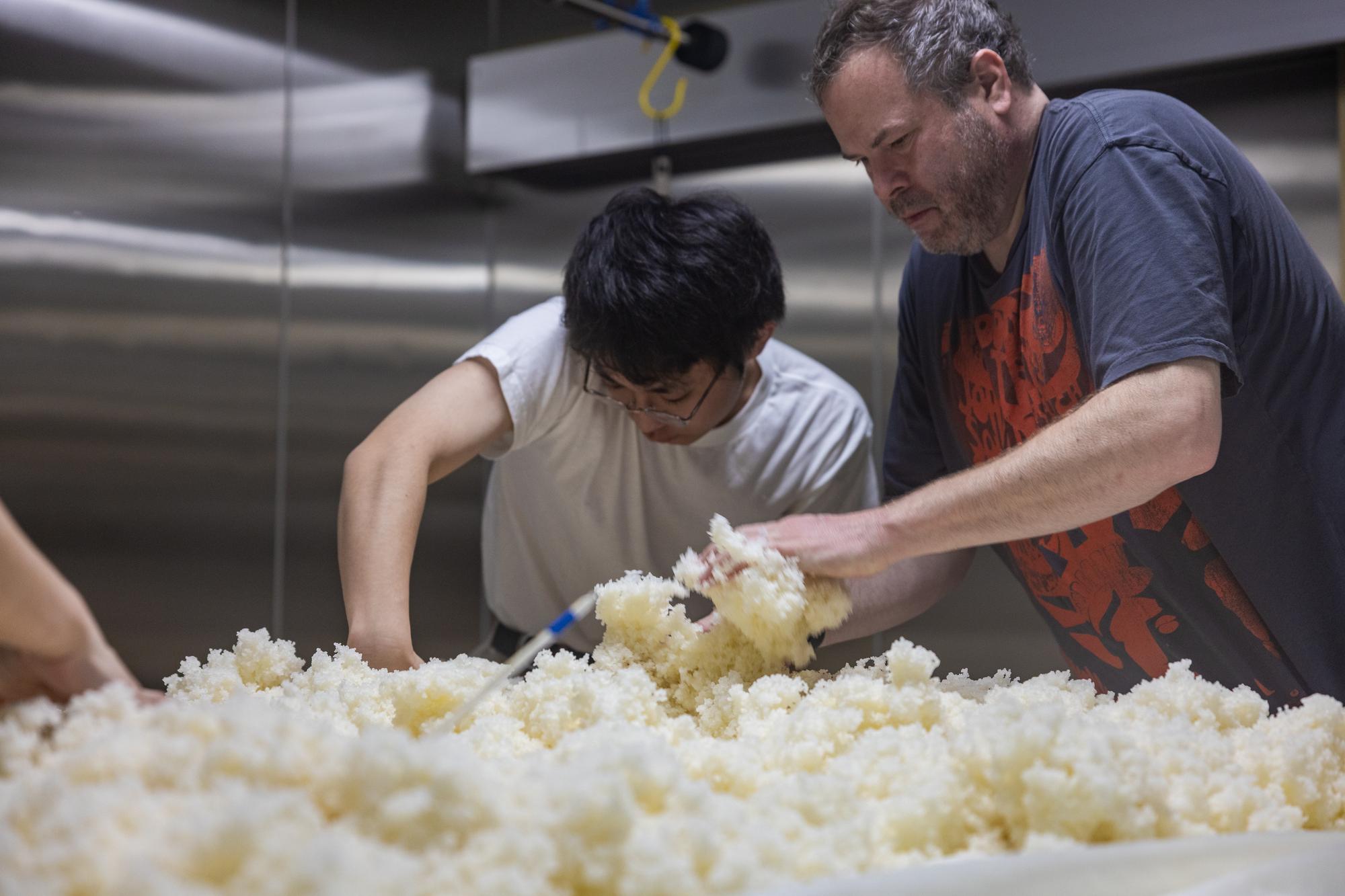
Steamed rice, koji, and water are added to the shubo, increasing both volume and activity. The yeast awakens to its expanding environment, continuing to multiply while feeding on the sugars created by the koji.
Though modest in scale, this first addition sets the foundation for everything that follows.
Naka: Building Momentum
After a day of rest that allows the yeast to adjust, the second addition—Naka—takes place.
More rice, koji, and water are incorporated into the tank, significantly increasing the size of the mash. Fermentation activity becomes more visible as the yeast population grows and the conversion of starches into sugars accelerates.
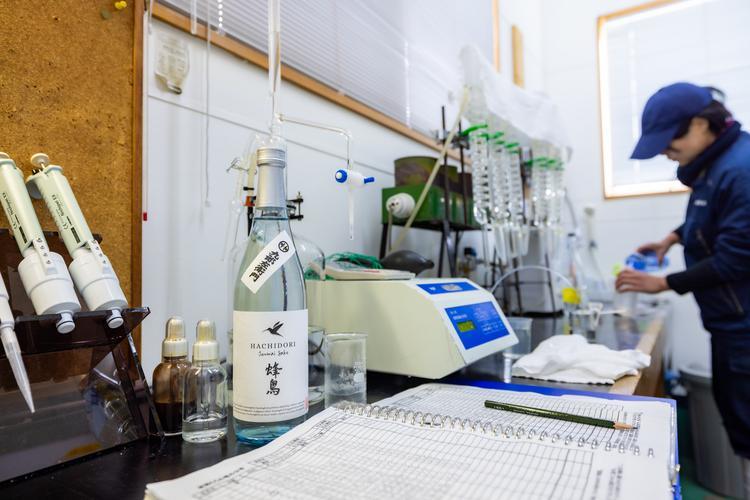
At this stage, careful observation remains essential. Subtle changes in temperature, texture, and activity offer clues to the health of the fermentation and guide the brewers next steps.
Tome: Completing the Mash
The final addition, Tome, completes the build.
With the last addition of rice, koji, and water, the moromi reaches its full volume. The foundation established during shubo and strengthened through the three-stage additions is now ready to support the long fermentation ahead.
The yeast is active, the koji continues its work, and the transformation that began with a single grain of rice is now fully underway.
The Art of Patience
Like every stage of sake brewing, the addition process reflects a balance of precision and patience.
Each step builds upon the one before it, allowing the brewer to guide fermentation rather than force it. Through Soe, Naka, and Tome, the ingredients come together gradually, creating the conditions necessary for complexity, elegance, and balance to emerge.
At Hachidori, these additions are approached with the same patience and attention as every stage before them. Each layer builds upon the last, guiding the fermentation forward and shaping the character of the sake to come.
Looking Ahead
With the additions complete, the moromi begins its long fermentation journey. Over the coming weeks, yeast and koji will continue working together, slowly developing the depth, balance, and character that define the finished sake. Follow along as we explore the next stage of the process.