
Fermentation: Guiding the Journey to Finished Sake
The Work Continues
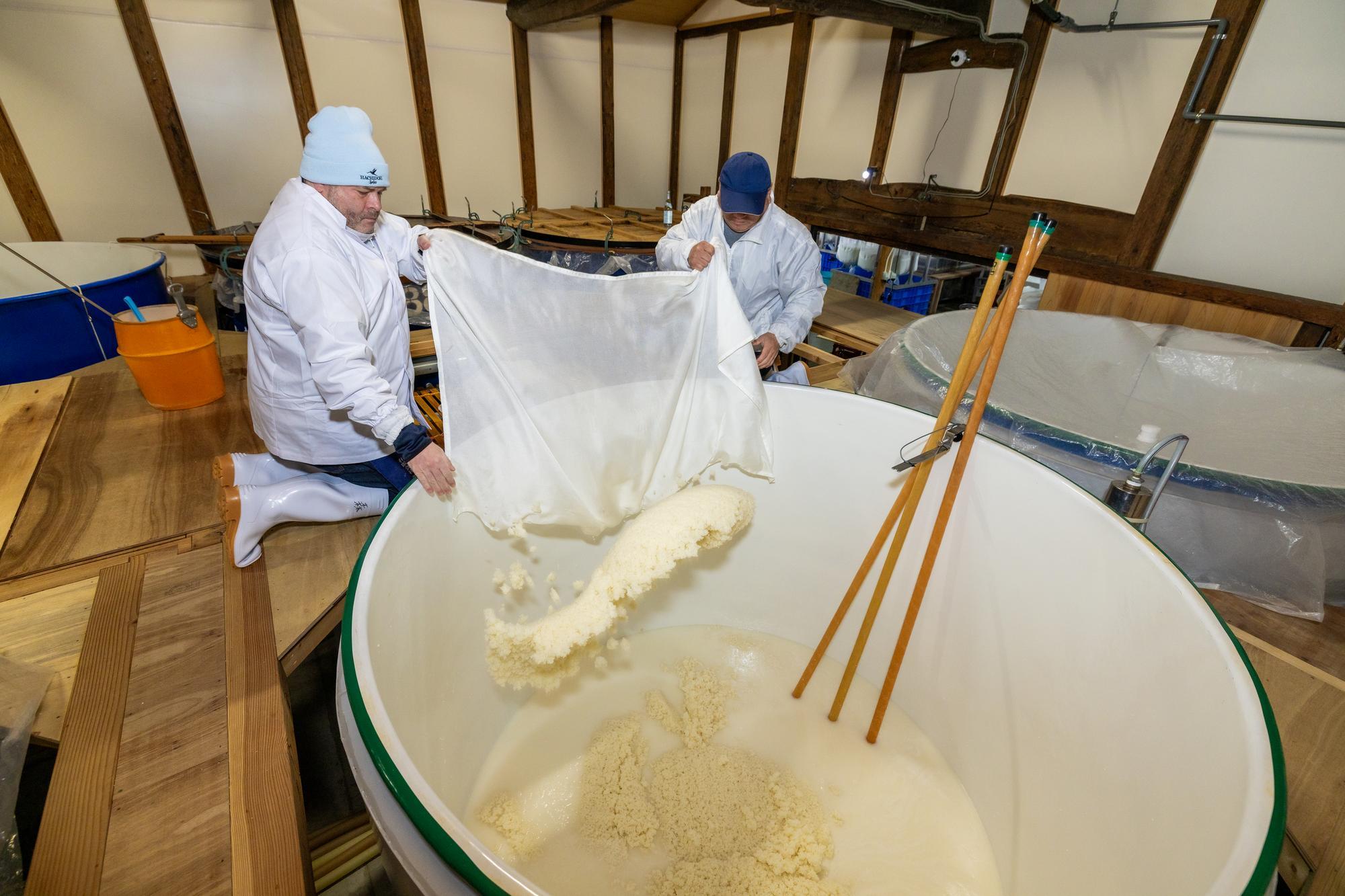
After four days of careful additions, the moromi has reached its full volume.
Over the coming weeks, yeast and koji continue working together inside the tank. The koji steadily converts rice starches into fermentable sugars while the yeast transforms those sugars into alcohol. Although much of this activity remains hidden beneath the surface, the fermentation is constantly evolving, revealing new layers of aroma, texture, and character each day.
At Hachidori, this stage is guided through careful observation, precise temperature management, and daily sampling.
A Daily Commitment
Throughout fermentation, observation is essential.
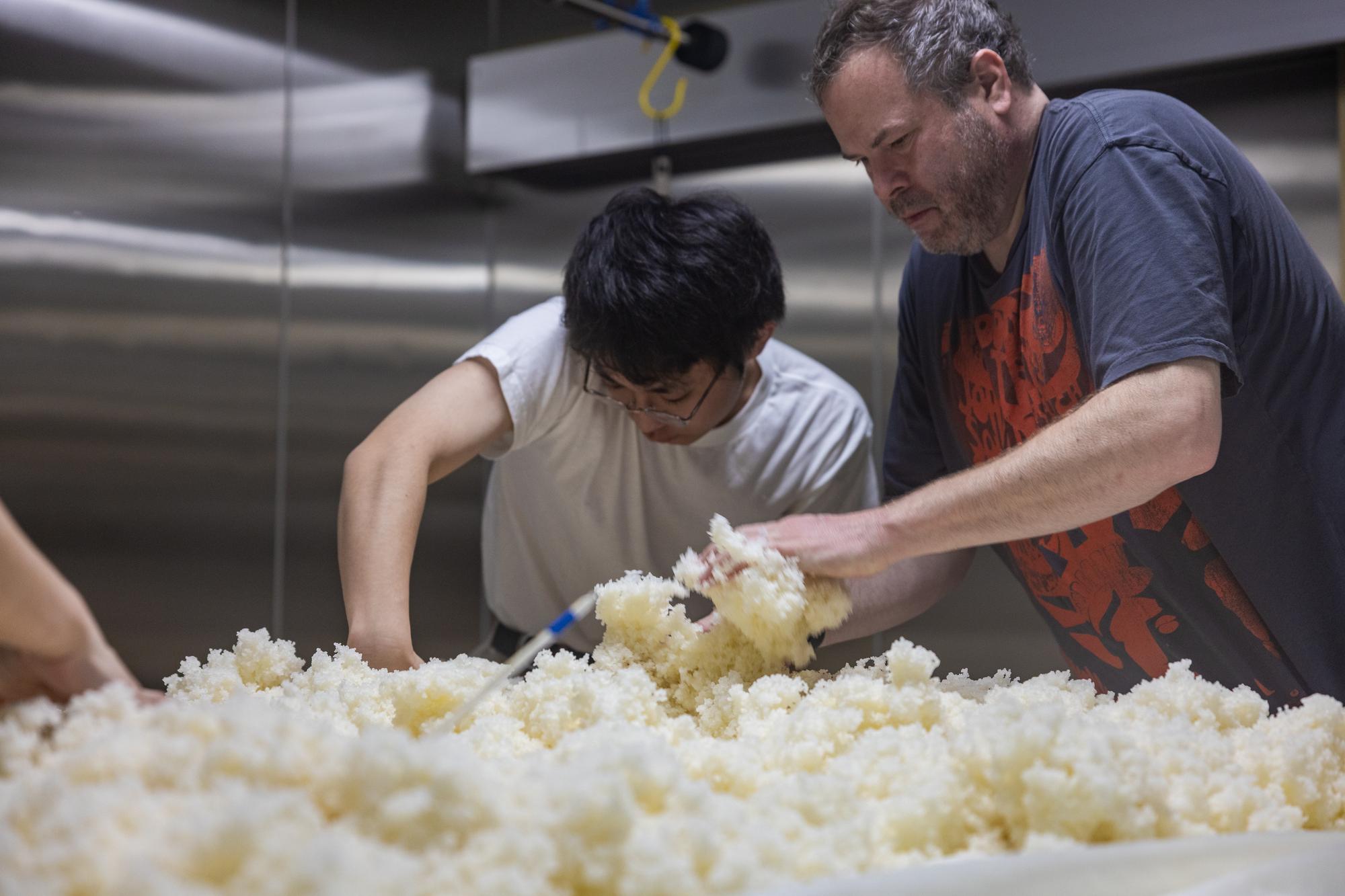
Each morning, the brewery team divides its work. Some head to the koji room while others begin collecting samples from the fermentation tanks. Moving from tank to tank, they measure temperatures, gather samples for the lab, and record the progress of every batch.
No two fermentations are exactly alike. Each tank develops at its own pace, requiring thoughtful attention every step of the way.
Following the Fermentation
During fermentation, even the smallest changes can influence the final sake.
Temperatures are checked throughout the day, as even a fraction of a degree can affect aroma, texture, and sweetness. If fermentation begins progressing too quickly, cooling jackets may be used to circulate chilled water around the tanks, gently slowing the process and maintaining balance.
Every observation is carefully recorded, helping brewers understand how each batch is evolving and when subtle adjustments are needed.
Reading the Signs
The numbers tell part of the story.
Each day, samples of the moromi are analyzed to monitor amino acid levels, acidity, alcohol content, and Nihonshu-do (Sake Meter Value). Together, these measurements reveal how fermentation is progressing and how the balance of sweetness, acidity, umami, and alcohol is developing.
But the data is only one part of the process.
Experience, observation, and tasting remain just as important, helping the brewers determine when the moromi has reached its ideal balance.
From Moromi to Sake
When fermentation is complete, the moromi is gently pressed to separate the sake from the rice solids before being filtered and prepared for maturation.
At Hachidori, the sake is pasteurized just once before resting for approximately two months in a room maintained just above freezing. This slow, cold maturation allows the flavors to settle and harmonize while preserving the bright, elegant character that defines Hachidori.
Ready to Share
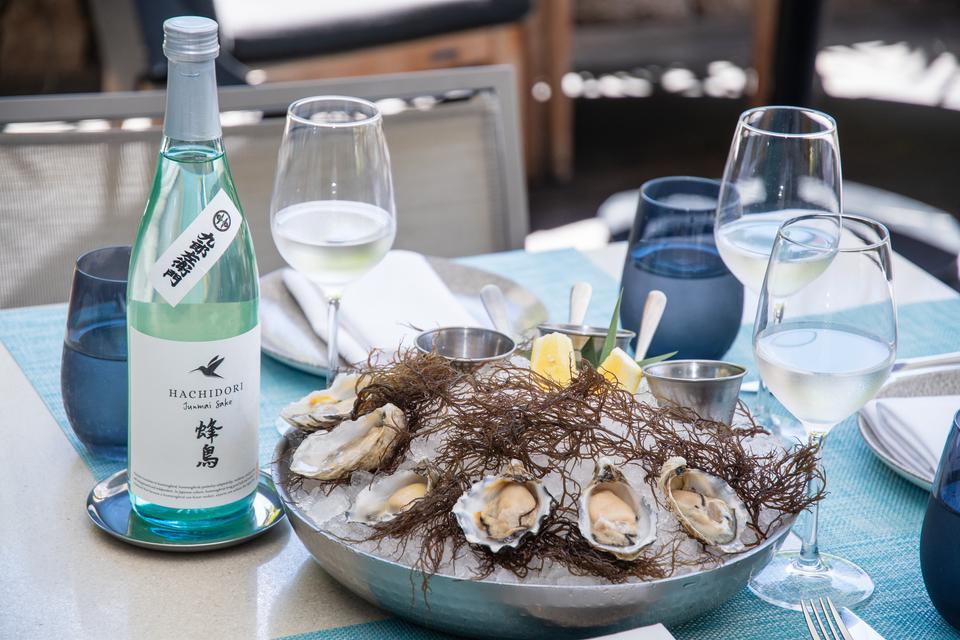
After weeks of careful fermentation, daily observation, pressing, and maturation, the sake is finally ready for bottling.
What began as rice, water, koji, and yeast has completed its transformation. Every careful decision—from cultivating koji to monitoring fermentation—has contributed to the character of the finished sake.
The journey that began with a single grain of rice now reaches its final destination, ready to be poured, shared, and enjoyed.
Kanpai.