The Art of Pairing: How to Enjoy Sake with Food
Sake belongs at the table.
Alongside something delicate. Something savory. Something unexpected.
For centuries, sake has been woven into the rhythms of Japanese dining, where balance, seasonality, and attention to flavor shape the experience of a meal. But its place at the table reaches far beyond Japanese cuisine.
From sashimi to roasted vegetables.
Tempura to fried chicken.
Miso-glazed eggplant to creamy pasta.
The possibilities are wonderfully broad. The secret is not learning a complicated set of rules. It is understanding how sake interacts with food—and allowing curiosity to lead the way.
Begin with Balance
A beautiful pairing creates harmony.
Sometimes that means matching delicate flavors with an equally refined sake. Other times, it means allowing acidity to lift richness, fruit to soften spice, or umami to deepen the savory character of a dish. Hachidori Sakes are crafted with this balance in mind.
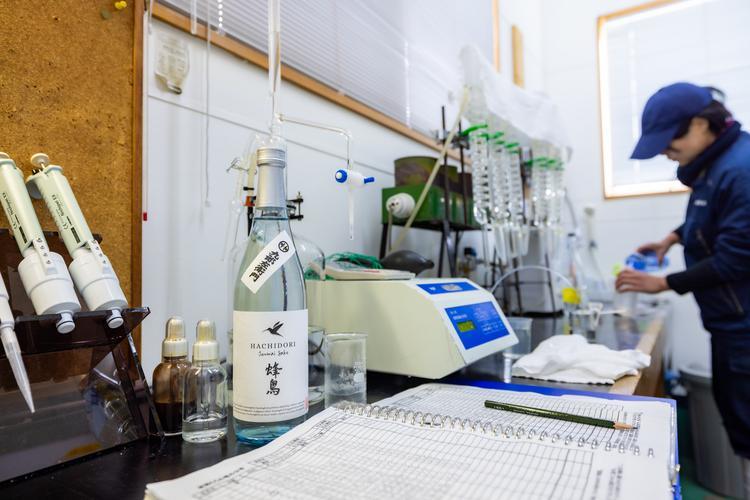
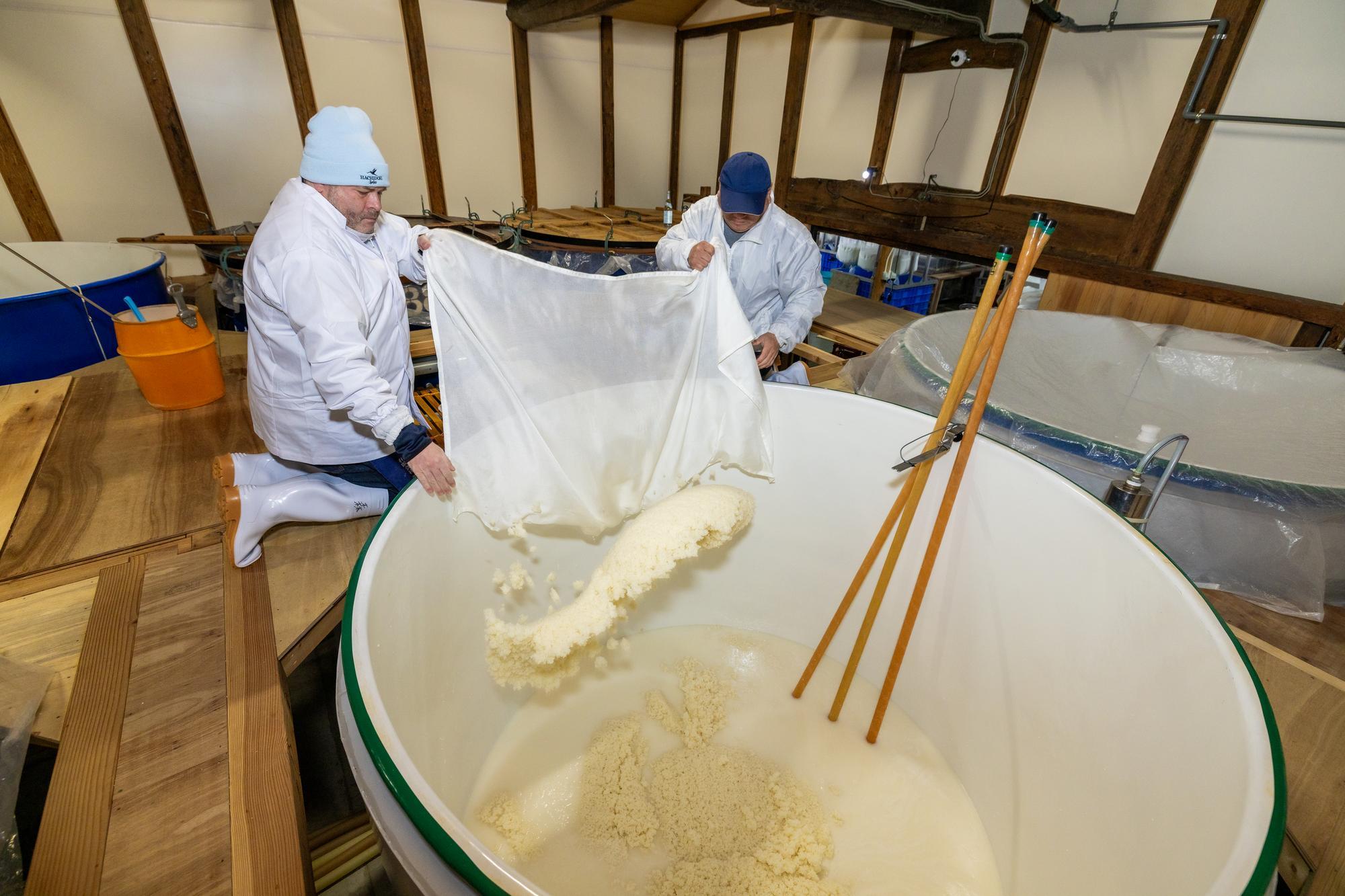
Made in Yamagata at the 10th-generation Shindo Brewery, each expression has its own personality—from the light, bright character of Junmai to the layered elegance of Daiginjo. Each creates a different possibility at the table.
Hachidori Junmai: Bright Meets Fresh
Cucumber. Green apple. Steamed rice. Citrus zest.
Hachidori Junmai is light and bright, with an intriguing umami mid-palate and a clean, dry finish.
Its freshness makes it a natural companion for equally vibrant dishes.
Traditional:
Fresh crudo. Ceviche. White fish sashimi. Tuna poke. Raw bar favorites.
Unexpected:
Lemony risotto. Baked chèvre with arugula. Vietnamese sesame noodles. Peruvian escabeche.
The connection is freshness. Citrus finds citrus. Acidity brings lift. The clean finish invites another bite. Simple. Bright. Delicious.
Hachidori Junmai Ginjo: Richness with Lift
Move toward richer flavors and Junmai Ginjo comes into its own.
Honeydew melon, green banana and delicate jasmine give Hachidori Junmai Ginjo a fuller expression, while refreshing acidity keeps everything beautifully balanced.
It can complement richness without becoming heavy.
Traditional:
Toro. Hamachi. Salmon belly. Yakitori. Miso-grilled eggplant. Tonkatsu.
Unexpected:
Caprese salad. Grilled nectarines with burrata. Mediterranean mezze. Pasta puttanesca.
Here, contrast becomes part of the pleasure. Fruit meets salt. Acidity meets richness. Aromatics lift deeply savory flavors.
One sip changes the next bite.
Hachidori Daiginjo: Elegance Meets the Unexpected
There is a particular pleasure in an unexpected pairing that simply works.
Hachidori Daiginjo is beautifully balanced and complex, with crisp apple, ripe cantaloupe and Asian pear layered with hazelnut and fennel pollen.
Traditional:
Sushi. Saba. Uni. Unagi. Tempura. Karaage. Kaiseki.
Unexpected:
Spicy-sweet Korean fried chicken. Prosciutto with melon. Cacio e Pepe. Green Thai curry. Carbonara with shiitakes.
These pairings reveal one of sake’s most exciting qualities: versatility.
The fruit can meet spice.
The texture can embrace richness.
The umami can find umami.
Think Beyond Sushi
Sushi and sake have earned their place together, but they are only the beginning.
One of the joys of discovering sake is realizing how it moves across cuisines. Its natural umami, balanced acidity and absence of tannins open possibilities that can sometimes be challenging for wine.
Try Sake with aged cheese. Pour it alongside fried chicken. Bring a bottle to a table of grilled seafood, pasta, roasted vegetables or curry.
The question becomes less “Can Sake go with this?” And more “Which Sake should we open?”
The Hachidori Way
Pairing sake is ultimately an invitation to explore.
Begin with balance. Pay attention to texture. Follow acidity, fruit and umami. Respect tradition—and leave room for the unexpected.
Most importantly, share it.
Because the most memorable bottle is rarely defined only by what is inside it. It is the meal beside it and the people around it. The conversation that stretches a little longer than expected.
This is how Sake becomes more than something you drink. It becomes part of the moment.
Kanpai.